 Video
Prevention
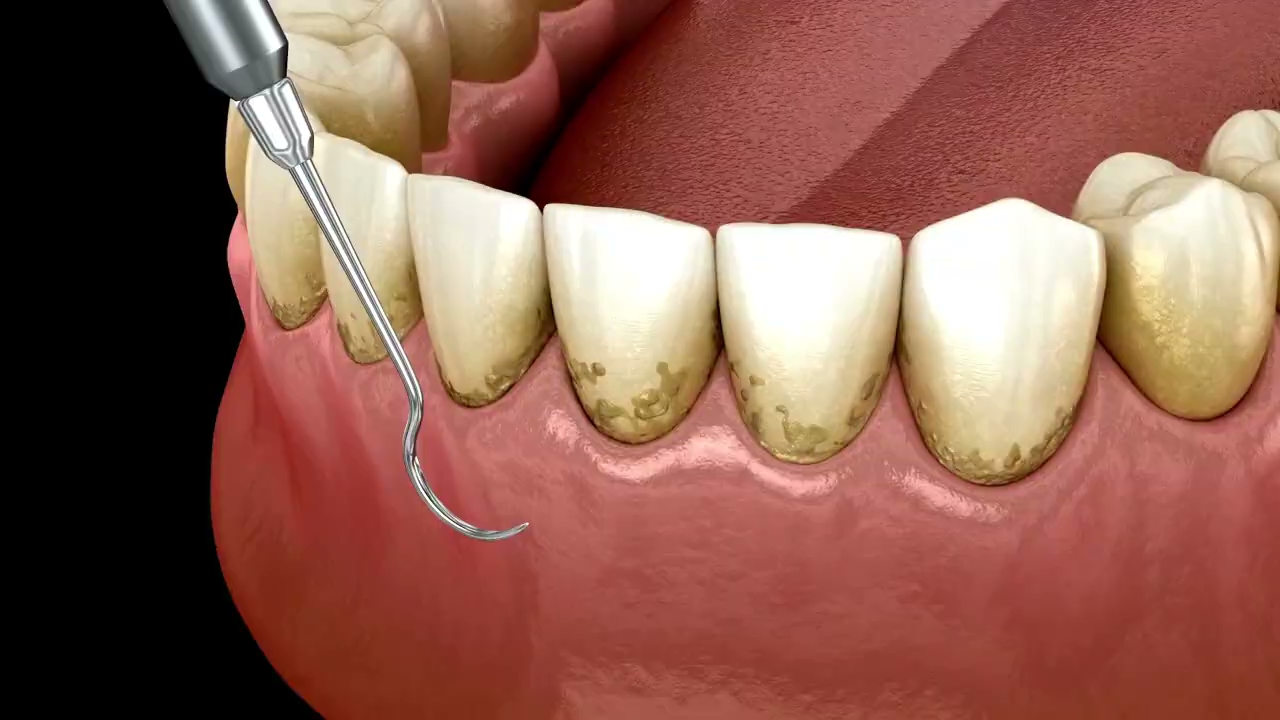
Professional teeth cleaning
What happens during a professional teeth cleaning, who it is suitable for and how costs work in Germany.
5 min read
In a personal consultation we clarify whether and how this treatment makes sense for you. You can book an appointment online.
This information is for general education and does not replace a personal examination and consultation. We will discuss together at the practice which treatment is right for you.
VideoPrevention
What happens during a professional teeth cleaning, who it is suitable for and how costs work in Germany.
 Video
Orthodontics
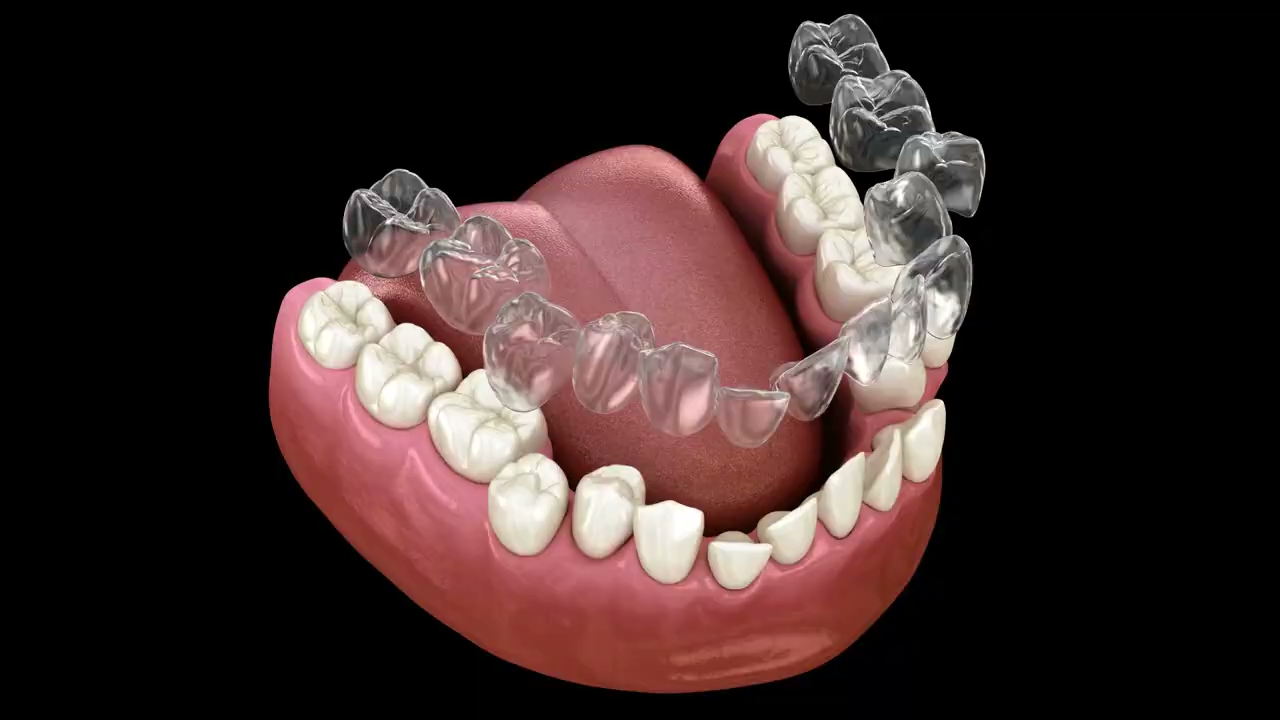
How treatment with clear tooth trays works, when it may be an option, and what limits and costs to be aware of.
 Video
Aesthetics
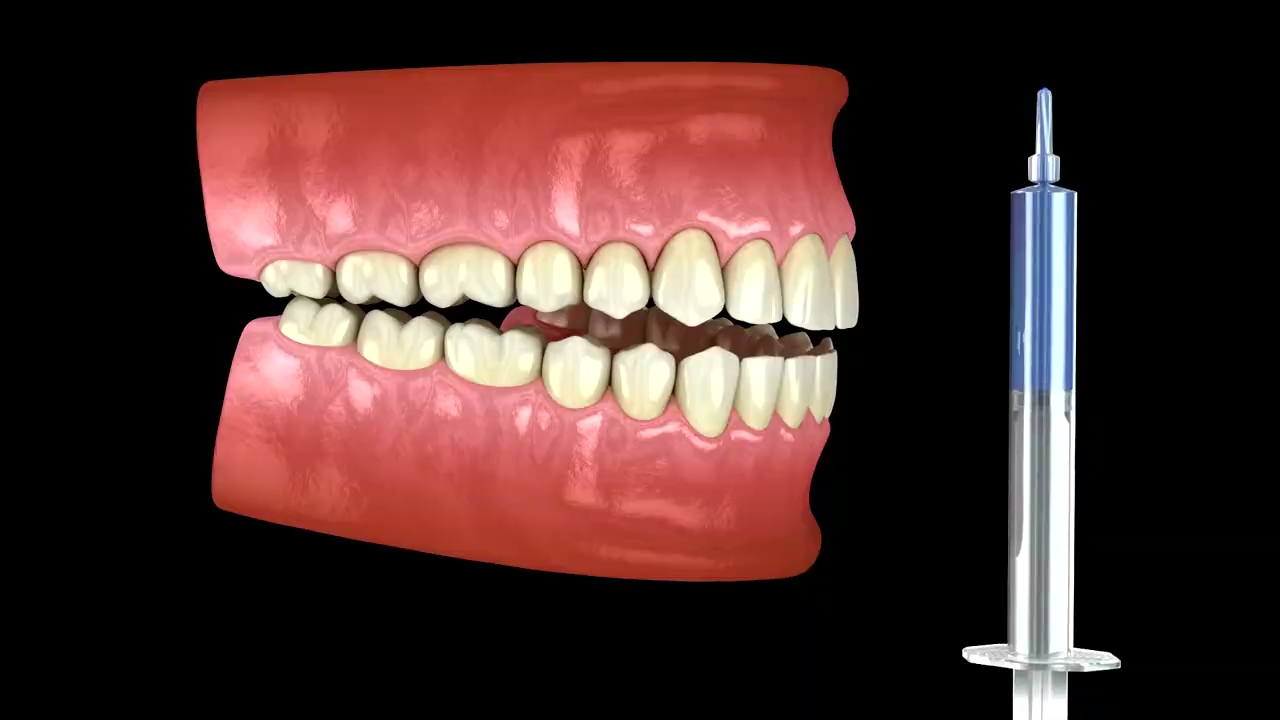
Factual information on tooth whitening: when it may be an option, how it works, what limits and risks there are and how costs are handled.
Implants
A dental implant replaces the root of a missing tooth and supports a crown, bridge or denture. Find out how treatment works, what the alternatives are and how costs are handled in Germany.
A dental implant is a small artificial tooth root, usually made of titanium or ceramic. It is placed in the jawbone and later supports a crown, a bridge or a denture. This allows a gap to be closed without grinding down the neighbouring teeth.
An implant may be an option when a tooth is missing or cannot be saved, for example after an accident, an infection or an extraction. It can also help to anchor dentures more securely when several teeth are missing or the jaw has no teeth. Whether it suits you depends on your oral health, the amount of bone and your general health. We clarify this together at the consultation.
We discuss your wishes, medical history and medication, and examine your teeth, gums and jaw. X-rays, usually including a three-dimensional scan, show how much bone is available. You then receive a written treatment and cost plan.
3D animation of a lower jaw showing bone and teeth, with a gap in the row of teeth.
The procedure is usually done under local anaesthetic. The gum is opened, a suitable site is prepared in the bone and the implant is inserted. The gum is then stitched closed. If there is too little bone, a bone augmentation may be needed beforehand or at the same time.
3D cross-section animation: an implant sits in the jawbone between two natural teeth, surrounded by gum.
The implant needs to bond firmly with the bone. This usually takes several weeks to a few months, depending on bone quality and your individual case. If needed you wear a temporary restoration and come in for check-ups.
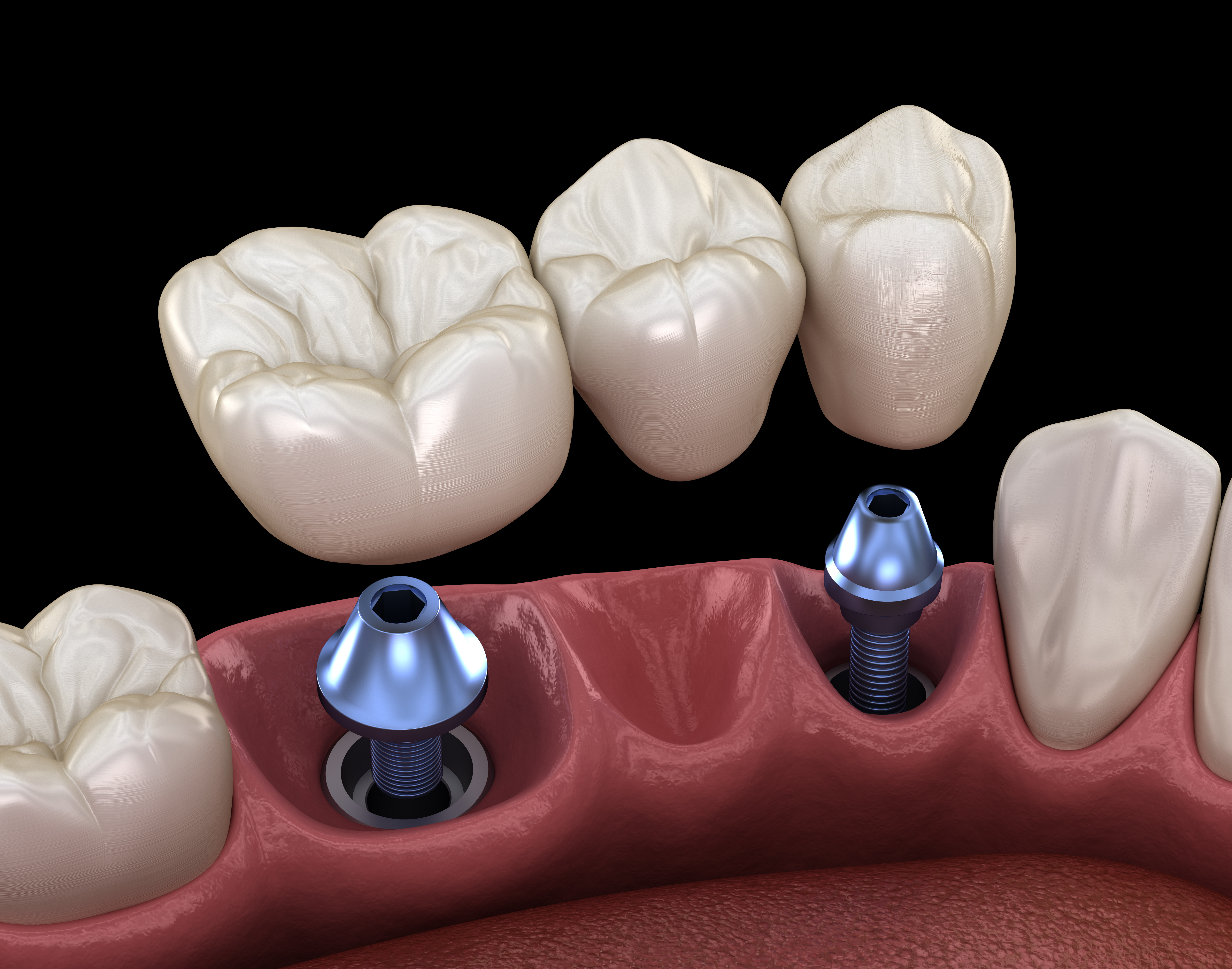
Once the implant is stable, an abutment is attached. We then take an impression or digital scan, make the crown, bridge or denture and fit it. Shape, shade and bite are carefully matched.
3D animation of a lower jaw: a crown hovers above an implant that sits in the jaw.
Like natural teeth, implants need thorough care. We arrange regular check-ups and professional cleanings so that inflammation is spotted early.
An implant is not the right solution in every situation. Alternatives include a bridge attached to the neighbouring teeth, a removable partial or full denture, or in some cases leaving the gap untreated for the time being. Each option has advantages and drawbacks, for example in effort, strain on neighbouring teeth or wearing comfort. We explain these options so that you can decide calmly. Even with a denture, implants can help to hold it more securely.
3D animation: two implants in a toothless lower jaw hold a removable denture.
As with any procedure, an implant operation carries risks: swelling, bruising, bleeding, infection, temporary altered sensation in the lip or tongue, damage to nearby structures, or an implant that does not heal in. Later, the tissue around an implant can become inflamed (peri-implantitis). Smoking, diabetes, gum disease and poor oral hygiene increase the risk. Please tell us about all conditions and medication, especially blood thinners and osteoporosis drugs.
Please call us if pain increases after a few days, swelling gets bigger, you develop a fever, bleeding does not stop, numbness persists, or the implant or crown becomes loose. If you have severe difficulty breathing or swelling in the throat, call the emergency number 112.
The procedure is done under local anaesthetic and is therefore usually painless. Afterwards, swelling and soreness can occur; these can generally be managed with the pain relief we discuss and ease within a few days.
We cannot promise a specific figure. Durability depends on oral hygiene, follow-up care, smoking, general health and the forces placed on the implant. With good care and regular check-ups, implants often last many years.
From planning to the finished replacement tooth it usually takes several months, mainly because of the healing time. With bone augmentation it can take longer. After the examination we give you a realistic timeframe.
Not everyone can receive an implant straight away, for example with untreated gum disease, very little bone or poorly controlled general illness. Often this can be treated first. We assess this individually.
Statutory insurers usually pay a fixed subsidy towards the replacement tooth, not the implant itself. Private insurers reimburse according to the policy. Check with your insurer in advance using the treatment and cost plan.
That depends on how extensive it is. After a simple procedure some people can work the next day, others need a few days of rest. It is wise to allow some leeway.